
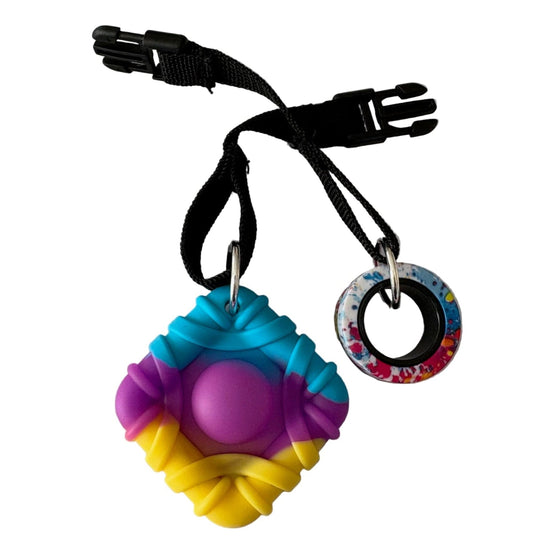
Movement helps the brain focus
Research shows that the brain doesn’t work in isolation, it's deeply connected to the body.
In his book Spark, psychiatrist Dr. John Ratey explains that physical activity, even small movements like fidgeting increases dopamine and norepinephrine in the brain. These are the same neurotransmitters targeted by many ADHD medications. Both play a key role in attention, motivation, and focus.
And movement doesn’t have to be loud, disruptive, or obvious to be effective.
Why Fidgeting Works
Tasks that are long or repetitive are especially hard for ADHD brains. But studies show that using a second sense like listening to music or keeping hands busy can actually improve focus.
This kind of fidgeting isn’t chaotic. It’s intentional, quiet, and purposeful:
-
Doodling while listening
-
Chewing gum during a test
-
Squeezing a small object while reading
The key is that the movement doesn’t require thought it runs quietly in the background while the brain focuses.
The Key: Be Deliberate About It
Fidgeting works best when it’s intentional.
An effective fidget:
-
Helps regulate attention
-
Doesn’t pull focus away from the main task
-
Doesn’t disrupt others
Respectful fidgeting supports focus especially in classrooms and shared spaces.
Why We Created the Bsmaht Seat
The goal is to: use movement wisely.
When children have options, there’s always a way to help them stay engaged at school, at home, and eventually, in life.
The Bsmaht Seat was created by parents who understand that movement can be a powerful learning tool. It’s designed to support self-regulation in a discreet, respectful way helping kids focus.