
When movement is misunderstood in the classroom and at home
Many parents worry their child is “misbehaving” because they can’t sit still, fidget constantly, or struggle to stay focused...especially at school.
But what if that behavior isn’t defiance at all?
What if it’s self-regulation?
Movement Isn’t the Problem
Some children regulate their bodies and attention through motion.
Rocking, tapping, shifting, or fidgeting can actually help the brain focus, not distract it.
When kids are repeatedly asked to “sit still,” they aren’t learning self-control; they're learning that their natural instincts are wrong.
And that can impact confidence, emotional regulation, and long-term learning.
A Parent Perspective
In our own family, we saw this firsthand.
What looked like disruption was really a nervous system asking for support.
Once we stopped trying to eliminate movement and instead supported it:
-
focus improved
-
frustration decreased
-
our kids felt more confident and capable
The shift wasn’t about lowering expectations but rather it was about meeting our kids where they were.
What Helps Fidgety Kids Focus
Here are a few strategies that made a meaningful difference for us:
-
Allow quiet, purposeful movement instead of constant correction (check out post on "Purposeful Movement")
-
Use language that supports regulation (check out post "The Way We Speak To Children")
-
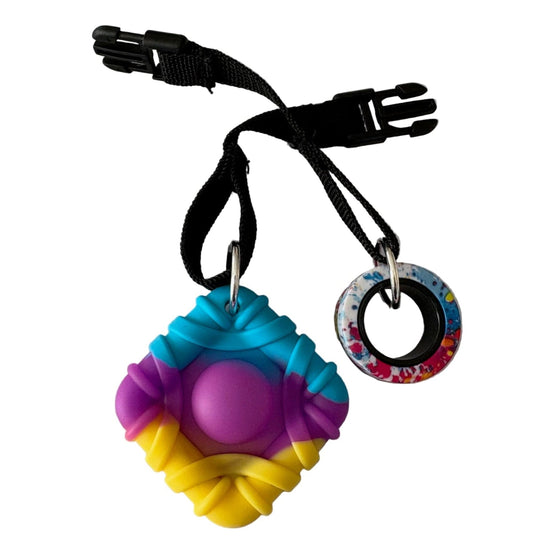
Offer discreet tools that help kids stay engaged without standing out
Small changes can create big relief! Both for kids and adults alike.
Why Discreet Support Matters
Children shouldn’t have to choose between focusing and fitting in.
Support works best when it’s:
-
respectful
-
unobtrusive
-
confidence-building
When kids feel supported instead of singled out, they’re more likely to develop lifelong self-regulation skills.
Why We Created the Bsmaht Seat
The Bsmaht Seat was designed from a parent’s perspective, to support movement in a way that feels natural, comfortable, and discreet.
It’s not about fixing kids.
It’s about giving them tools that help them succeed as they are.
If this sounds like your child, you’re not alone and you’re in the right place.